 ultimate-guide
Best Methods for Fear Recovery in Dogs
Table of Contents
- Understanding Fear Recovery in Dogs
- How to Identify Fear Triggers
- Fear and Anxiety Coping Techniques
- Gradual Exposure Therapy Techniques
- Building a Structured Recovery Plan
- Fear Recovery Timeline: What to Expect
- When to Seek Professional Help for Fear Recovery
- Frequently Asked Questions
Last Updated: October 12, 2026
Understanding Fear Recovery in Dogs
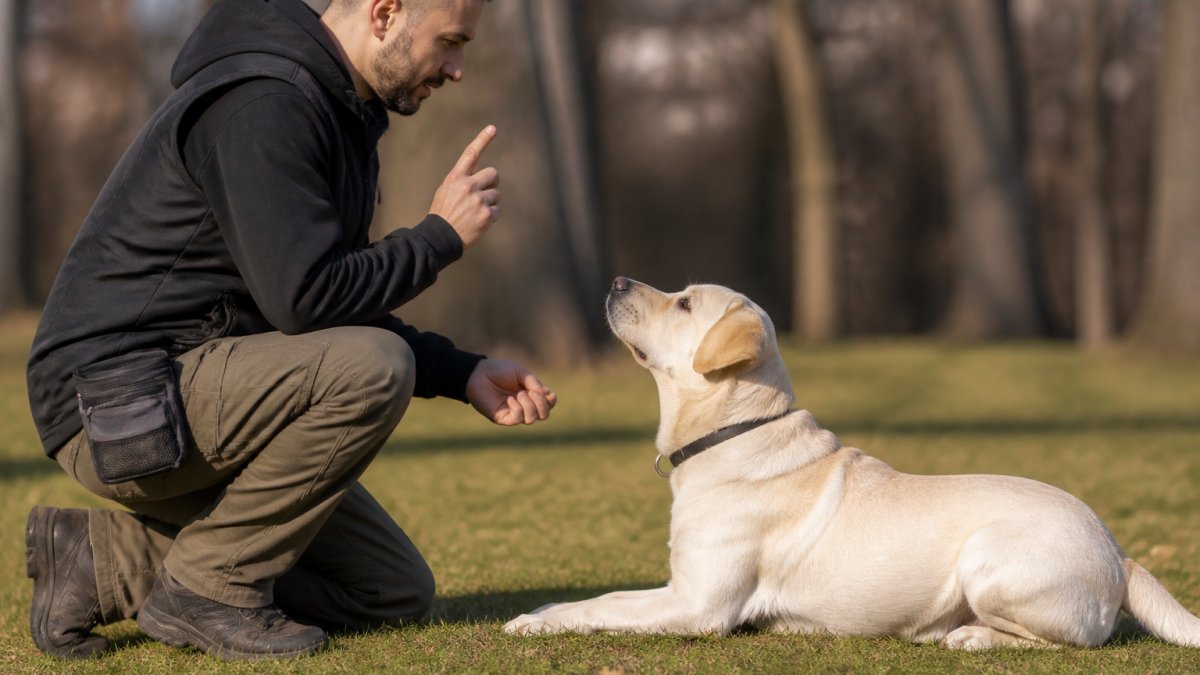
Fear recovery in dogs is the structured process of helping a fearful dog feel safe, calm, and confident again through gradual, humane behavior modification. At Lake County Dogs, we've spent more than 25 years guiding families through this work, and one truth holds: fear doesn't disappear overnight. It fades in small, repeatable steps.
Most owners wait too long before acting. The longer a dog rehearses a fear response, the more deeply that pattern settles into the nervous system. Below, we'll show you exactly how to identify triggers, calm your dog's body and mind, and build a realistic plan that actually sticks.
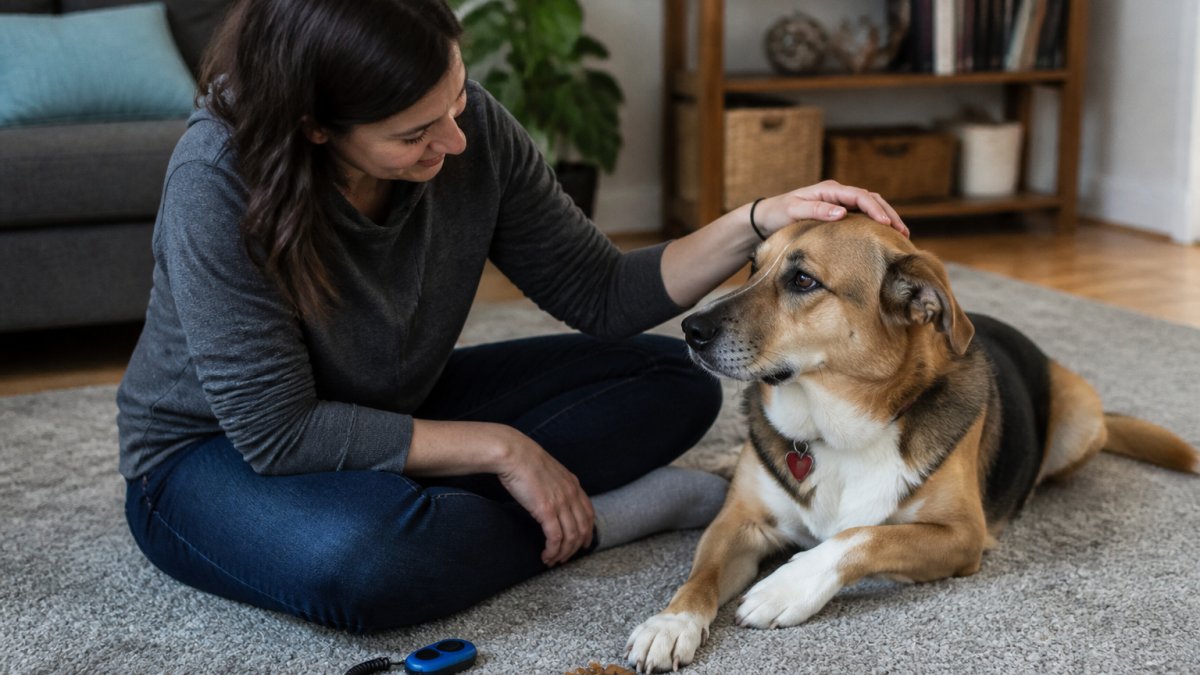
What Fear Recovery Means for Your Dog
Fear is a primal response, not disobedience. When a dog feels threatened, its stress response floods the body with adrenaline and cortisol, and behavior shifts accordingly.
Fear recovery is the deliberate retraining of that response. It pairs calming techniques with controlled exposure so the dog learns, at a nervous-system level, that the trigger predicts nothing bad.
A dog that once panicked at the doorbell can, over time, lift its head and stay relaxed. That's the goal.
How to Identify Fear Triggers
Identifying fear triggers starts with observation, not guesswork. Watch what happens in the seconds before your dog reacts: the trigger is usually there.
Common triggers include strangers, other dogs, loud noises, children, car rides, and specific objects like vacuums or crates. Rescue dogs often carry triggers from past environments that owners never witnessed.
Common Triggers and Their Signals
A dog rarely announces fear loudly. Most signals are quiet and easy to miss:
- Tucked tail or lowered body posture
- Lip licking, yawning, or excessive blinking
- Ears pinned back and whale eye (whites showing)
- Freezing, hiding, or refusing treats
- Pacing, panting, or trembling without physical cause
Keep a simple log for two weeks. Note the trigger, the time, and your dog's reaction. Patterns emerge fast, and that log becomes the backbone of your plan.
Fear and Anxiety Coping Techniques
Fear and anxiety coping techniques work by calming the body before you attempt any training. A dog in a full stress response cannot learn. The goal here is not to suppress fear but to lower arousal enough that the thinking brain comes back online.
Start with slow breathing. Sit near your dog without eye contact, and take deliberate, slow breaths. Dogs co-regulate with their humans, and a relaxed handler settles a dog faster than any command. Deep breathing paired with a calm tone lowers arousal for both of you.
Mindfulness and grounding practices help here too. Stay present, move slowly, and keep your voice low. Physical practices like gentle self-massage along the spine and ears release tension your dog is holding.
Calming the Body and Mind
Layer these tools during stressful moments:
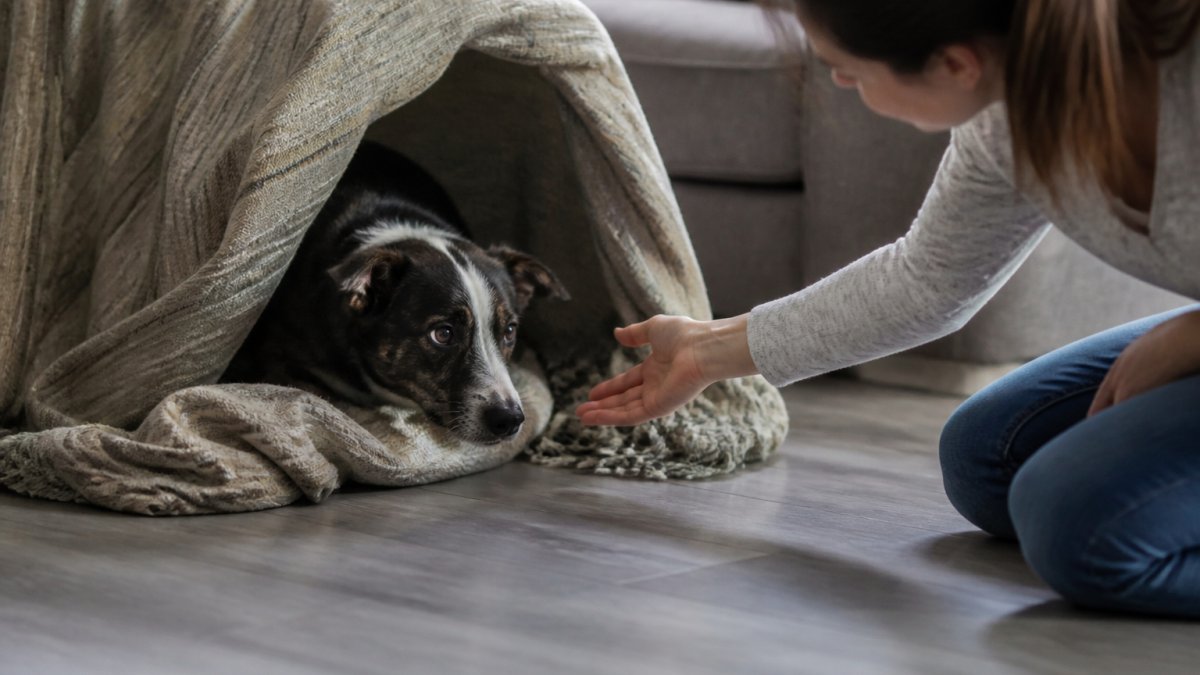
- A quiet, covered space where your dog can retreat
- Slow, rhythmic petting on the chest or shoulders
- Chewing or licking activities, which are naturally soothing
- A predictable daily routine that reduces uncertainty
Creative outlets matter as well. Sniff walks, puzzle feeders, and simple nose work give a nervous dog a job and burn anxious energy productively.
Matching the Technique to the Fear Pattern
Not every fear responds to the same coping tool. A dog with situational fear, a thunderstorm, a vet visit, often settles with a covered space and a food-stuffed toy. A dog with persistent generalized anxiety may need a daily routine and predictable exercise before any single calming technique takes hold. Panic-level responses, where the dog cannot eat or respond to you at all, usually need a veterinarian involved before behavior work begins. Trauma-related fear, common in rescue dogs, tends to need slower pacing and professional support rather than home-only exposure. Knowing which pattern you are dealing with keeps you from applying the wrong tool and calling it failure.
Gradual Exposure Therapy Techniques
Gradual exposure therapy techniques teach your dog to tolerate a trigger by meeting it in tiny, controlled doses. The rule is simple: never push past the point where your dog can still think and take treats.
Here's how we structure it:
- Define one trigger at a time
- Find the distance where your dog notices it but stays calm
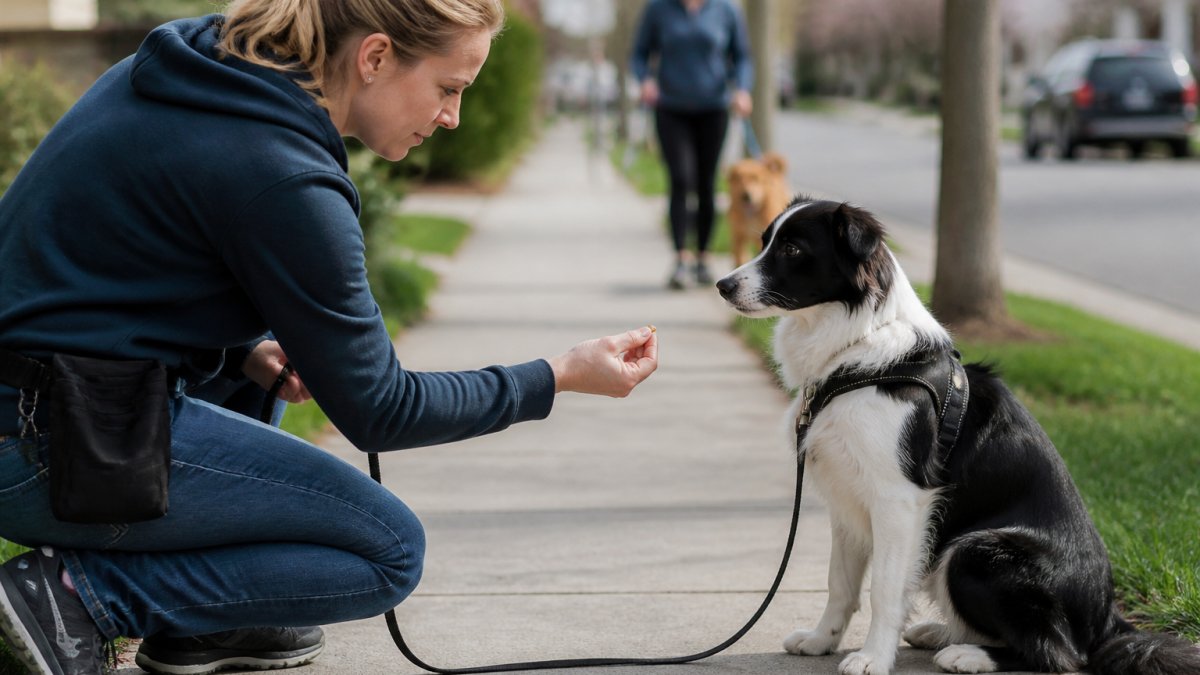
- Pair the trigger with high-value treats
- Reduce distance or increase intensity only when your dog stays relaxed
- Repeat across days, not minutes
If your dog stops eating, you've gone too far. Back up and lower the intensity.
How Long Does Gradual Exposure Take?
Most dogs show measurable improvement within four to eight weeks of consistent, low-intensity sessions. Some fears resolve faster; deep-seated trauma can take months. Progress is rarely linear, and plateaus are normal.
Building a Structured Recovery Plan
A structured recovery plan turns scattered effort into steady progress. Without one, owners tend to overexpose their dog on a bad day and undo weeks of work.
Build your plan around these components:
- One primary trigger to work on at a time
- Daily five-to-ten-minute sessions rather than long weekend marathons
- A consistent reward that only appears during training
- A safe retreat space your dog controls
- Weekly review of your trigger log
Setting Realistic Goals and Tracking Progress
Set goals you can measure. "Less reactive on walks" is vague. "Stays under threshold at ten feet from another dog" is trackable.
Track three things: distance, duration, and your dog's response. A simple three-column log works. Review it weekly and adjust one variable at a time. Change too many things and you won't know what helped.
For complex cases, a customized program built around your dog's genetics, temperament, and history saves months of trial and error. That's where professional guidance pays off.
Fear Recovery Timeline: What to Expect
The fear recovery timeline varies by dog, but the shape is predictable. Expect early gains in the first weeks as your dog learns the training routine itself is safe. Real change in the fear response usually follows in the second month and beyond.
| Phase | Typical Duration | What You'll See |
|---|---|---|
| Foundation | Weeks 1-2 | Dog settles faster, accepts treats near mild triggers |
| Early progress | Weeks 3-6 | Notices trigger with less arousal, recovers quicker |
| Consolidation | Weeks 6-12 | Stays calm at closer distances, generalizes to new settings |
| Maintenance | Ongoing | Occasional refreshers keep gains stable |
Measuring Progress Instead of Guessing
A timeline only helps if you can tell whether you are on it. Track three numbers each session: distance from the trigger, duration your dog stays calm, and intensity of the response on a simple 0-to-5 scale. A 0 is fully relaxed; a 5 is full panic with no response to food or voice. Write these down. Over two weeks, the pattern tells you more than any single good or bad day.
Watch for these markers of real progress:
- Your dog recovers to a calm state faster after a trigger
- The distance at which your dog stays under threshold shrinks
- Your dog checks in with you during a trigger instead of shutting down
- Calm behavior shows up in new places, not just the training spot
Handling Setbacks Without Losing Ground
Setbacks happen. A move, a new baby, or a loud event can set a dog back temporarily. Treat a setback as information, not failure, and return to a level your dog can handle. Drop back one phase, keep sessions short, and rebuild from a known-calm starting point. Most setbacks resolve in days to a couple of weeks when you resist the urge to push forward.
If your dog loses ground and does not regain it within a few weeks, or if fear is spreading to new situations, that is a signal to bring in a professional rather than repeat the same plan harder.
When to Seek Professional Help for Fear Recovery
Professional help is warranted when fear limits your dog's daily life or safety. If your dog won't eat on walks, hides constantly, or has bitten, self-help plateaus.
Signs it's time to call in a behavior specialist:
- Aggression toward people or other dogs
- Fear that worsens despite consistent home training
- Complete shutdown or refusal to engage
- Multi-dog household conflict you can't manage alone
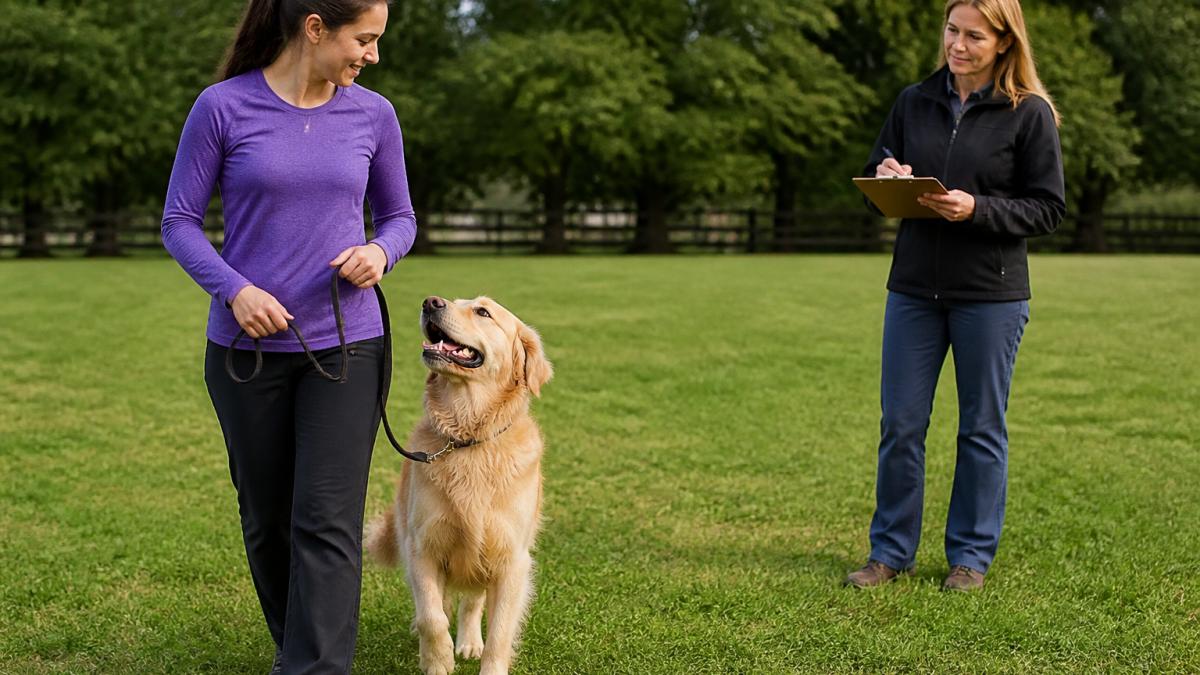
At Lake County Dogs, we build customized programs for exactly these cases. Our lead specialist, Gary Boots, is an AKC-approved evaluator and an instructor at Animal Behavior College, with expertise in canine genetics, temperament, and development. We also prepare dogs for AKC Canine Good Citizen certification when that's a family goal.
For severe anxiety, a veterinarian or veterinary behaviorist may be part of the team. Behavior modification and medical support often work best together.
Frequently Asked Questions
What are the best methods for fear recovery in dogs?
The most effective methods combine gradual exposure therapy, fear and anxiety coping techniques like counter-conditioning, and building a structured plan with realistic goals. Identifying specific triggers is the first step. Pairing triggers with positive experiences, such as treats or play, helps change your dog's emotional response over time. Consistency and patience are key, and professional guidance can accelerate progress for severe cases.
How long does fear recovery take for a rescue dog?
The fear recovery timeline varies widely based on the dog's history, the intensity of the fear, and how consistently you work on it. Some dogs show improvement in weeks, while others may take months or longer. Factors like age, previous trauma, and genetics play a role. Tracking small wins and celebrating gradual progress helps maintain motivation. A professional trainer can provide a more tailored estimate after an evaluation.
When should I seek professional help for my dog's fear?
If your dog's fear leads to aggression, self-injury, or severely limits daily activities like walks or vet visits, professional help is recommended. A certified behavior consultant can assess the situation, rule out medical causes, and design a safe behavior modification plan. For dogs with extreme anxiety, a veterinarian may also discuss medication options to complement training.
Can I use gradual exposure therapy on my own, or do I need a trainer?
You can implement basic gradual exposure at home for mild fears, but it requires careful observation to avoid overwhelming your dog. Start with low-intensity triggers and pair them with high-value rewards. If your dog shows signs of panic or if progress stalls, consult a professional. They can guide you on proper pacing and ensure safety, especially for fears involving other dogs or strangers.
What are some fear and anxiety coping techniques I can try immediately?
Immediate coping techniques include creating a safe space, using calming aids like pheromone diffusers, and practicing relaxation exercises such as gentle massage. During a fear episode, avoid forcing interaction; instead, offer a treat or toy to redirect attention. Deep breathing exercises for you can also help you stay calm, which your dog may mirror. Consistent daily routines provide predictability and reduce overall stress.
Fear recovery asks patience of owners who are already exhausted, and that's the hardest part of the work. You don't have to sort through it alone. Lake County Dogs offers customized, science-based programs built around your dog's specific triggers, temperament, and history, along with a free evaluation to map out realistic next steps. Get started with Lake County Dogs and give your dog the confidence to live calmly at home and in public.