 how-to
Book Dog Behavior Consultation Online: Step-by-Step Guide
Table of Contents
- What Is an Online Dog Behavior Consultation?
- How to Prepare for a Virtual Dog Training Session
- Remote Dog Aggression Training: What to Expect
- Understanding Cost of Online Dog Behavior Consultation
- Behavioral Issues Addressed in Virtual Sessions
- How to Book Your Consultation
- Virtual vs. In-Person Efficacy: What Works Best
- Frequently Asked Questions
Last Updated: September 30, 2026
What Is an Online Dog Behavior Consultation?
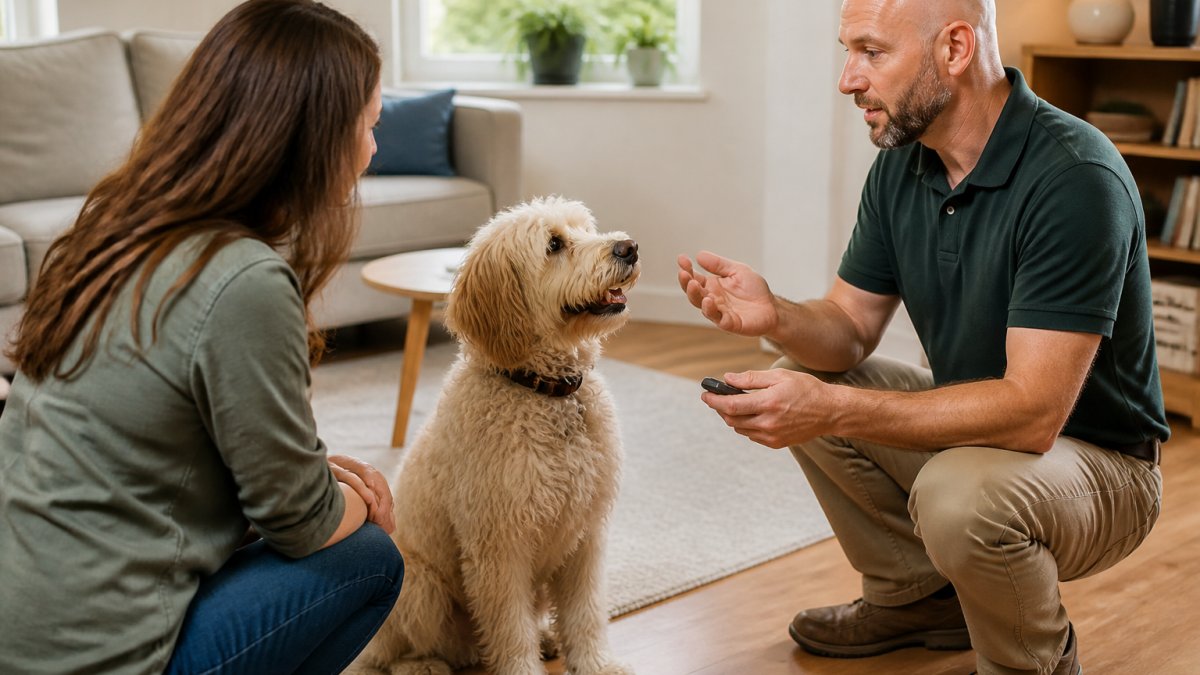
When you book dog behavior consultation online with a certified behavioral specialist, they conduct a professional assessment via video call to evaluate your dog's temperament, behavioral patterns, and environmental triggers and develop a customized modification plan. This format eliminates travel time while capturing how your dog actually behaves in your home environment.
The consultation includes detailed history intake, live behavioral observation, and a tailored training protocol you can implement immediately, effective for puppies, rescue dogs, and adult dogs with behavioral issues.
How to Prepare for a Virtual Dog Training Session
Thorough preparation ensures actionable, specific recommendations rather than generic advice.
Technical Setup and Environment
A clear connection and proper camera angle are essential for assessing your dog's subtle body language, ear position, tail carriage, mouth tension, that reveal emotional state and intent.
Internet Connection Check
Test your internet connection 48 hours before your appointment using Speedtest.net. Aim for at least 2.5 Mbps upload speed; below 1 Mbps causes lag and dropped calls. If on WiFi, move closer to your router or use a wired connection. Ask household members to pause streaming, downloads, or gaming during your session.
Camera Positioning and Angles
Position your camera at your dog's eye level or slightly above (12-18 inches for medium-sized dogs). Avoid chest or shoulder height, which distorts proportions and obscures subtle signals like stiff tails or weight shifts.
Use a tripod ($15-$30) to stabilize your phone or tablet. Frame your dog in the center two-thirds of the screen with visible background context. For leash work, position the camera to show both you and your dog in profile.
Lighting
Use natural window light from behind the camera. Avoid backlighting, which creates silhouettes. For early morning or evening sessions, use overhead lights or a side-positioned desk lamp. Poor lighting obscures critical details like lip curls or ear positions.
Choose a Behavior-Relevant Space
Conduct the session in the space where your dog exhibits the problematic behavior. If your dog lunges at the window, position yourself there. For leash reactivity, use a hallway for safe demonstration. The environment itself is diagnostic data; neutral rooms miss the actual triggers.
Minimize distractions: close doors, silence notifications, and keep household members out of frame unless they're part of the behavior problem. A cluttered feed distracts from your dog's actual responses.
Pre-Consultation Checklist
Gather these items before your appointment:
- Video clips of the problematic behavior, 15-30 second clips in context (lunging, pulling, resource guarding). If infrequent, describe in writing with triggers, body language, and escalation speed.
- Medical history and current medications, Behavioral issues sometimes have medical roots. List medications, supplements, and recent vet visits.
- Timeline of the behavior, When it started, whether gradual or sudden, and what makes it better or worse.
- What you've already tried, Document training methods, tools, and results. Failed attempts provide valuable information.
- Feeding schedule and dietary sensitivities, Note allergies, sensitivities, or digestive issues.
- Specific, concrete goals, "Stop pulling on walks" is more actionable than "better behavior."
- High-value treats, Bring treats that generate genuine enthusiasm: chicken, cheese, hot dog, or commercial rewards.
- Training equipment you currently use, Bring your leash, collar, harness, and other tools for assessment.
Write down questions before the call to ensure you get answers to what matters most.
Recording and Note-Taking During the Session
Ask if you can record the session. If permitted, use your phone's voice memo or video function to capture key recommendations. Take written notes on exercises, frequency, and safety precautions. Your own notes during implementation prevent confusion about repetitions or exercise order.
Remote Dog Aggression Training: What to Expect
Aggression cases require careful assessment and structured approach. Your trainer will ask about escalation patterns: does your dog growl first or snap immediately? Does it happen only around food or in other contexts? What's your dog's body language before incidents?
The consultant will ask you to demonstrate specific scenarios: your dog's reaction to food bowl approaches, family member entries, or other dogs on walks. These observations reveal whether aggression stems from fear, resource guarding, impulse control issues, or territorial response.
Expect the consultant to explain the underlying cause, crucial because the fix depends on the root. Fear-based aggression requires desensitization and confidence building. Resource guarding responds to environmental management and impulse control training. Territorial aggression involves creating positive associations with triggers.
The behavioral assessment plan becomes your roadmap, including specific exercises, introduction order, practice frequency, and safety measures. Good plans acknowledge that aggression training takes time.
Understanding Cost of Online Dog Behavior Consultation
Pricing varies based on case complexity, assessment length, consultant credentials and experience, and follow-up inclusion. Understanding cost drivers helps you evaluate value.
Initial Consultation vs. Follow-Up Sessions
Initial consultations typically run 60-90 minutes and include history intake, behavioral observation, and customized training plan creation. Follow-up sessions (30-45 minutes) focus on troubleshooting, protocol adjustments, and implementation questions.
Lake County Dogs offers a free evaluation to assess your situation and discuss options before you commit to paid services.
Factors That Affect Pricing
Variables influencing cost include: behavioral complexity (aggression cases cost more than leash reactivity), consultant credentials and experience (CCPDT or IACP certification commands higher rates), session length (60 vs. 90 minutes), follow-up package structure (bundled packages offer better value), and geographic factors (urban areas charge more).
Common Pricing Models
Three common pricing structures: (1) À la carte sessions ($150-$400 initial, $75-$250 follow-ups), (2) Package pricing (bundled options at 10-20% discount), and (3) Program-based pricing ($500-$2,000+ for 4-8 week comprehensive plans with sessions, check-ins, and email support).
What's Included in the Cost
Before committing, clarify what's included: written assessment summary, email support between sessions, video recordings, client portal access, and follow-up adjustments. A consultant providing detailed written protocols and email support offers better value than one offering only the live call.
Evaluating Cost vs. Value
The cheapest consultation isn't always the best investment. Consultants offering included follow-ups can deliver better results because you're more likely to use support that's already paid for.
Ask potential consultants about credentials, session length and inclusions, written training plans, follow-up availability and cost, success rates, and references. Check Lake County Dogs's pricing page for current rates and tiered packages. Your first conversation helps determine which package serves your dog's needs.
Behavioral Issues Addressed in Virtual Sessions
Virtual consultations effectively address many behavioral challenges. Separation anxiety, where dogs panic when left alone, responds well to remote assessment because the consultant can observe your dog's actual behavior when you leave the room during the video call. Excessive barking, whether triggered by outside sounds, boredom, or attention-seeking, becomes clear when the consultant hears it happening live.
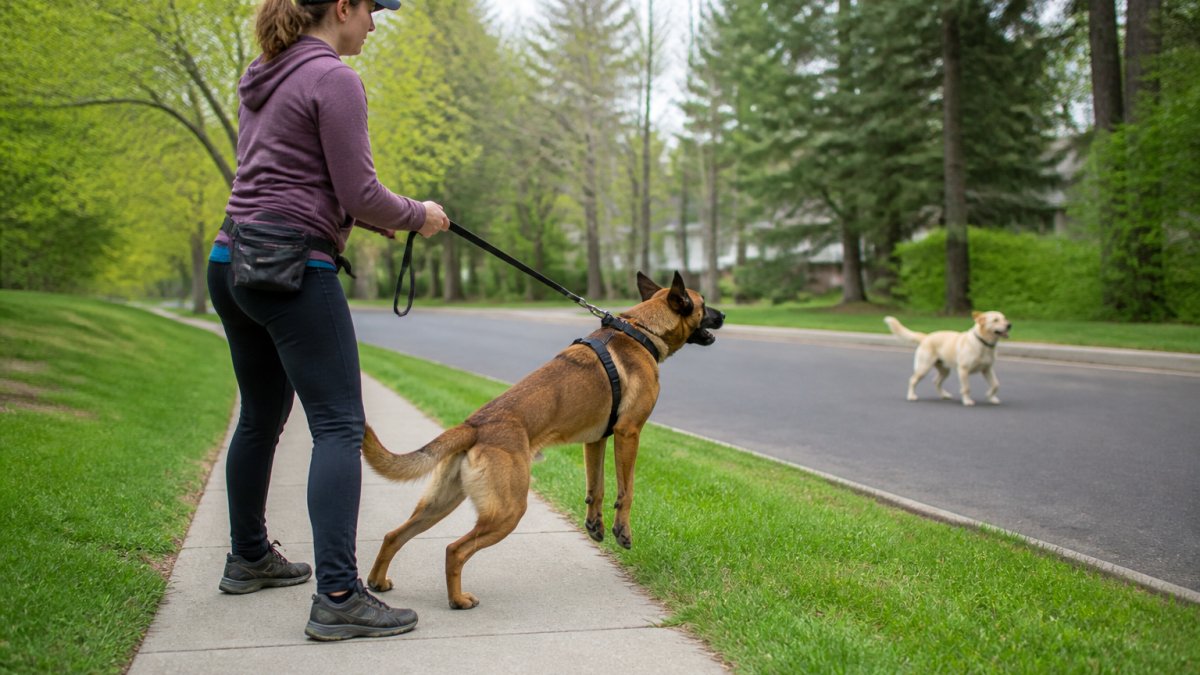
Leash reactivity, where dogs lunge, bark, or pull intensely at other dogs or people while walking, is one of the most common issues handled through virtual training. The consultant observes your current handling technique, identifies what's triggering the reaction, and teaches you how to reset your dog's focus before the trigger becomes overwhelming.
Fear-based behaviors, dogs trembling during thunderstorms, hiding from visitors, or freezing in new environments, require understanding what specifically frightens your dog and how severely. Virtual consultations let the consultant see these responses in context and recommend gradual exposure protocols tailored to your dog's sensitivity level.
Impulse control issues, like jumping on guests, stealing food from counters, or not responding to recall commands, stem from a dog not understanding boundaries or consequences. The consultant will identify which impulse control exercises your dog needs and how to practice them consistently.
House training failures in adult dogs, resource guarding around toys or food, and multi-dog household conflicts all become addressable through the assessment and customized protocols that emerge from a thorough virtual consultation.
How to Book Your Consultation
To book dog behavior consultation online with Lake County Dogs, follow a straightforward process. Start by visiting the Lake County Dogs website and selecting the consultation option that matches your needs. You'll provide basic information about your dog, breed, age, primary behavioral concern, and your availability for a video call.
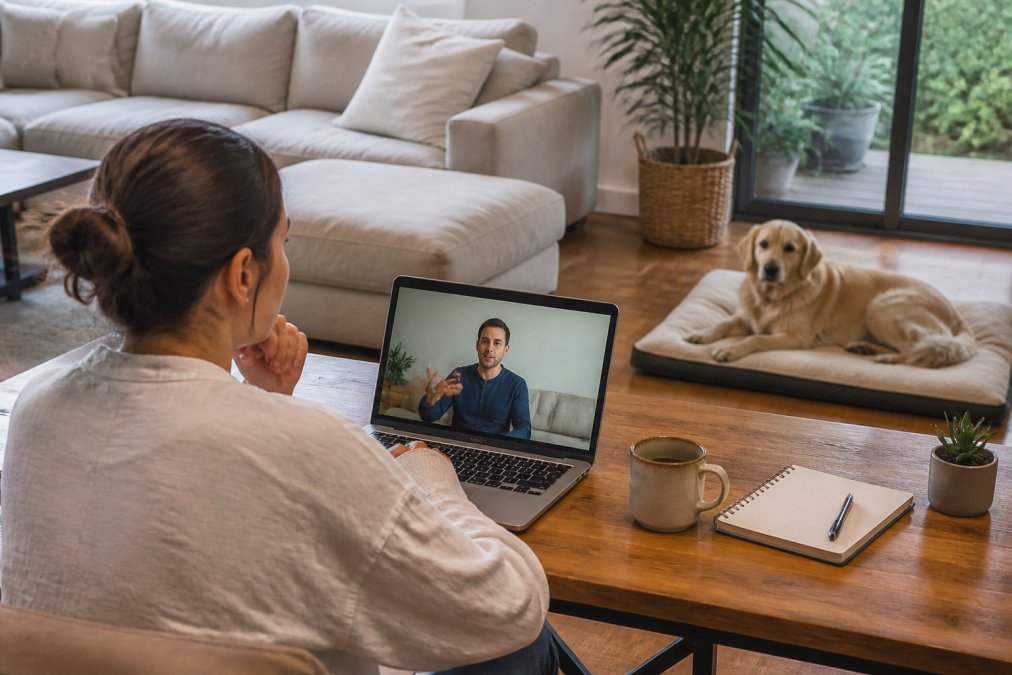
Once you submit your information, the team contacts you to confirm your appointment time and send you the video call link.
Virtual vs. In-Person Efficacy: What Works Best
The question of whether virtual consultations deliver the same results as in-person training has a nuanced answer. Virtual assessments excel at capturing your dog's authentic behavior in their actual environment. A dog that behaves perfectly at a training facility often reveals very different patterns at home, and that's where the real problem lives.
Frequently Asked Questions
Are online dog behavior consultations effective?
Yes. Virtual consultations allow certified professionals to observe your dog's behavior in its natural home environment, which often reveals triggers and patterns that controlled settings miss. A canine behavioral consultant can assess your dog's body language, reactions to household sounds, and interactions with family members through video. The key is working with a qualified professional who uses positive reinforcement and evidence-based behavior modification techniques. Follow-up support and a customized training plan determine long-term success.
How do I prepare for a virtual dog behavior session?
Test your video setup 15 minutes early to ensure stable internet and clear camera angles. Have your dog's complete history available, including medical records, previous training, and a detailed description of behavioral triggers. Ensure your dog has exercised before the session so they're calm enough to focus. Keep the consultation area free of distractions, and have a notebook ready to take notes. Prepare a list of specific situations where your dog struggles, such as leash reactivity or separation anxiety, so the behaviorist can create a targeted behavior modification plan.
What technology do I need for a remote dog behavior consultation?
You need a device with a camera and microphone (laptop, tablet, or smartphone), a stable internet connection, and video conferencing software compatible with your consultant's scheduling platform. Position your camera to show your dog's full body and your immediate surroundings so the behaviorist can assess the environment. Test audio quality beforehand. Most online consultations use standard platforms like Zoom or Google Meet. Confirm with your consultant which platform they use and whether you need to download software in advance.
Can aggression be treated through virtual dog training?
Aggression can be addressed through remote behavior assessment and a customized training plan, though the approach differs from in-person work. A certified behaviorist will evaluate your dog's triggers, body language, and environmental factors via video, then create a detailed behavior modification strategy you implement at home. This works well for resource guarding, fear-based aggression, and leash reactivity. However, severe cases may benefit from supplemental in-person sessions. The virtual format allows the professional to observe your dog's real-world environment and provide ongoing support through follow-up consultations and tailored training protocols.