 how-to
How to Hire a Professional Dog Behaviorist: A Step-by-Step Guide
Table of Contents
- When Your Dog Needs Professional Help
- Dog Trainer or Behaviorist: Understanding the Difference
- What Credentials Define a Certified Dog Behaviorist
- Questions to Ask a Dog Trainer Before You Hire
- What to Expect During a Dog Behavior Consultation
- Red Flags: Methods and Professionals to Avoid
- Evaluating Results and Measuring Progress
- Making Your Final Decision
- Frequently Asked Questions
Last Updated: October 14, 2026
When Your Dog Needs Professional Help
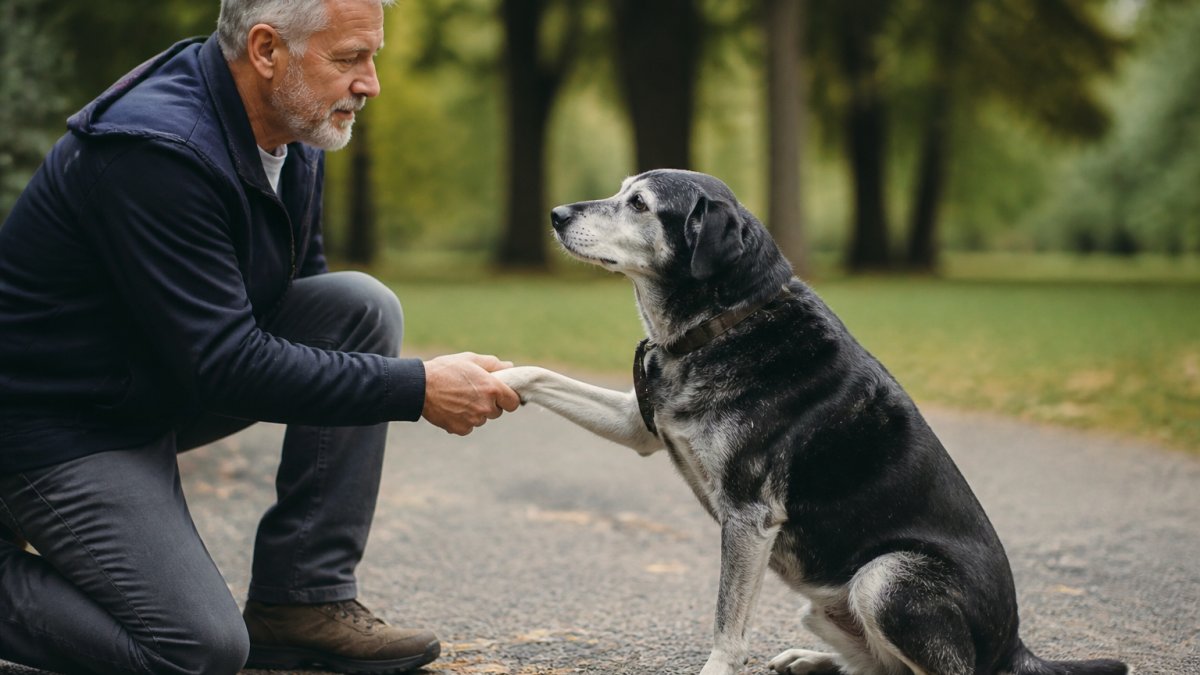
Your dog's behavior is telling you something. Aggression toward other dogs, anxiety during thunderstorms, or destructive chewing when you leave the house aren't character flaws, they're signals your dog needs support. When you hire professional dog behaviorist services, you gain the expertise to resolve problems before they escalate.
Most dog owners wait too long, trying training videos or hoping the issue resolves itself until the behavior becomes ingrained. If your dog's behavior affects your household, your dog's safety, or your peace of mind, it's time to hire a professional dog behaviorist.
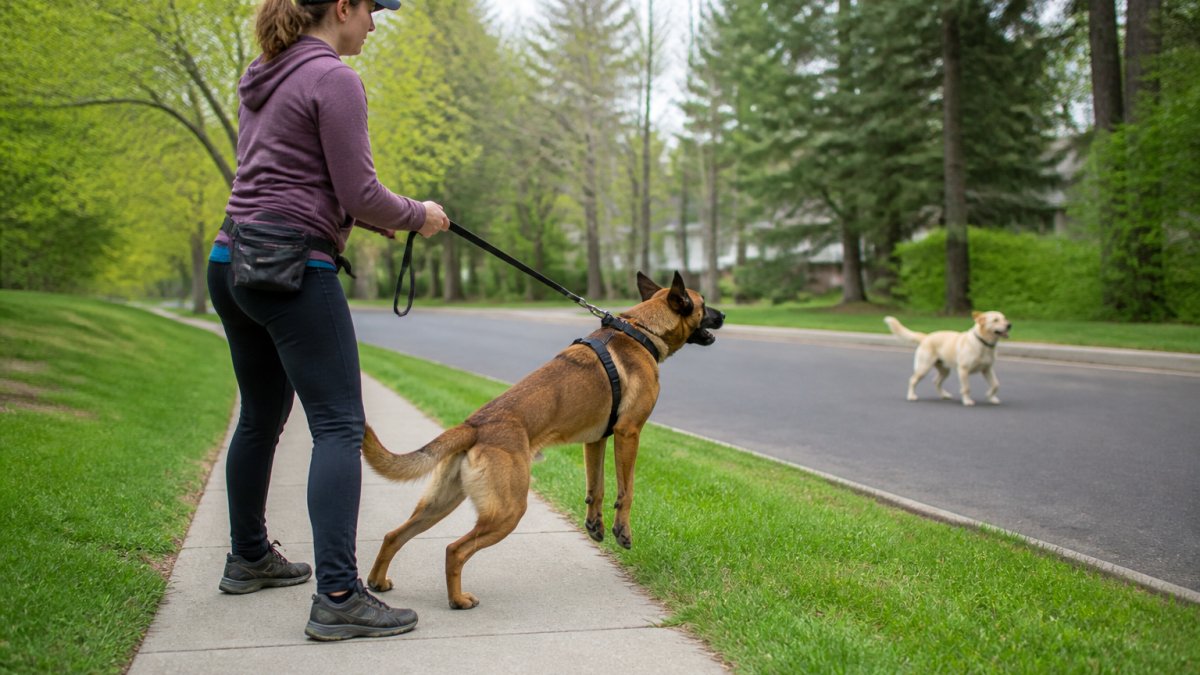
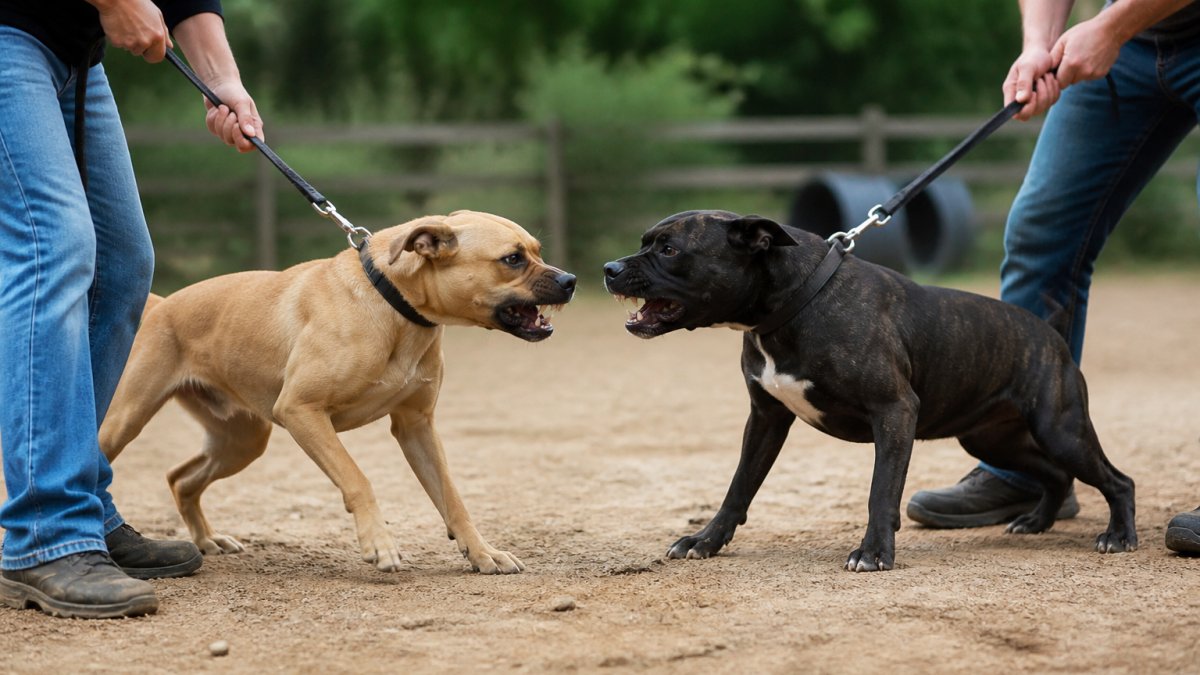
Common reasons to seek help include aggression, severe anxiety or fear, destructive behaviors, excessive barking, leash reactivity, and house-training failures in adult dogs. We've worked with dogs at every stage of these problems, and early intervention consistently produces better outcomes.
The question isn't whether your dog can change, but whether you have the expertise to guide that change safely. A professional dog behaviorist brings structured assessment, evidence-based methods, and the ability to recognize when a behavior has medical or genetic roots training alone cannot address.
Dog Trainer or Behaviorist: Understanding the Difference
This distinction matters more than most owners realize. A dog trainer and a dog behaviorist are not the same thing, and confusing the two can lead you to the wrong professional.
A dog trainer teaches obedience and manners, sit, stay, recall, leash walking, and other commands. Trainers build positive habits and reinforce desired behaviors. If your dog needs foundational obedience or AKC Canine Good Citizen prep, a trainer is your resource.
A dog behaviorist specializes in modifying problem behaviors rooted in fear, anxiety, aggression, or learned responses. They conduct detailed assessments, identify underlying causes, and design customized intervention plans that address the dog's emotional state, not just surface-level actions.
The practical difference: a trainer teaches your dog to sit on command; a behaviorist helps your dog overcome the fear that makes them lunge at strangers. A trainer builds obedience; a behaviorist addresses why your dog behaves the way they do.
Many dogs need both. A fearful rescue might start with a behaviorist to address underlying anxiety, then move to a trainer to build confidence through obedience.
When you're ready to hire a professional dog behaviorist, clarity on this distinction will help you ask the right questions and set realistic expectations.
What Credentials Define a Certified Dog Behaviorist
Credentials matter. They represent training, continuing education, and adherence to professional standards. When evaluating a professional dog behaviorist, credentials tell you whether this person has met rigorous standards or simply hung out a shingle.
Certifications That Matter
The most recognized certifications include the Certified Applied Animal Behaviorist (CAAB) credential, which requires a graduate degree in animal behavior and documented professional experience. The Animal Behavior College (ABC) offers certification requiring coursework and apprenticeship hours, and the International Association of Canine Professionals (IACP) certifies trainers and behaviorists who meet education and ethics standards.
Look for credentials from organizations that require continuing education. A certified professional dog behaviorist should explain their credentials without hesitation and provide documentation. Ask whether they maintain active certification and how many continuing education hours they complete annually.
Some professionals hold multiple certifications. We view ongoing education as non-negotiable, the field evolves, research advances, and methods improve. A professional who stopped learning years ago is relying on outdated understanding of canine behavior.
Experience and Track Record
Credentials open doors, but experience proves competence. When you hire a professional dog behaviorist, ask about their specific experience with your dog's problem, aggression cases, separation anxiety, fearful rescues.
A behaviorist with significant experience addressing aggression has seen patterns, complications, and recovery pathways a newly certified professional hasn't, and can anticipate challenges and adjust approaches.
Request references from previous clients and ask about their success rate with cases like yours. A confident professional will provide references and case examples; deflection or refusal to discuss past cases is a red flag.
Track record also means measurable outcomes. A professional dog behaviorist should define what success looks like for your situation and how progress will be measured.
Questions to Ask a Dog Trainer Before You Hire
Before committing to a professional, thorough questioning protects both you and your dog. These questions reveal whether this person understands your dog's needs and has the expertise to address them.
Start by asking: "What is your experience with my dog's specific behavior problem?" Listen for specificity. A vague answer suggests limited experience; a detailed response describing cases, patterns, and typical timelines indicates genuine expertise.
Inquire about the assessment process: "How do you evaluate a dog before designing a program?" A thorough behaviorist conducts a detailed consultation, observes the dog in relevant contexts, and gathers history and triggers, never designing a plan on the phone or after a 15-minute meeting.
Ask about program structure: "What does training look like? How often will we meet? How long is the typical program?" Understand whether they offer in-home training, group classes, remote consultation, or a combination, and know the time commitment expected.
Request clarity on costs and guarantees. "What are your fees, and what's included?" "Do you offer any guarantee or follow-up support?" Understand the payment structure and what happens if progress stalls.
Finally, ask: "How will I know if this is working?" When you hire professional dog behaviorist services, they should define success metrics and explain how progress will be tracked and communicated.
What to Expect During a Dog Behavior Consultation
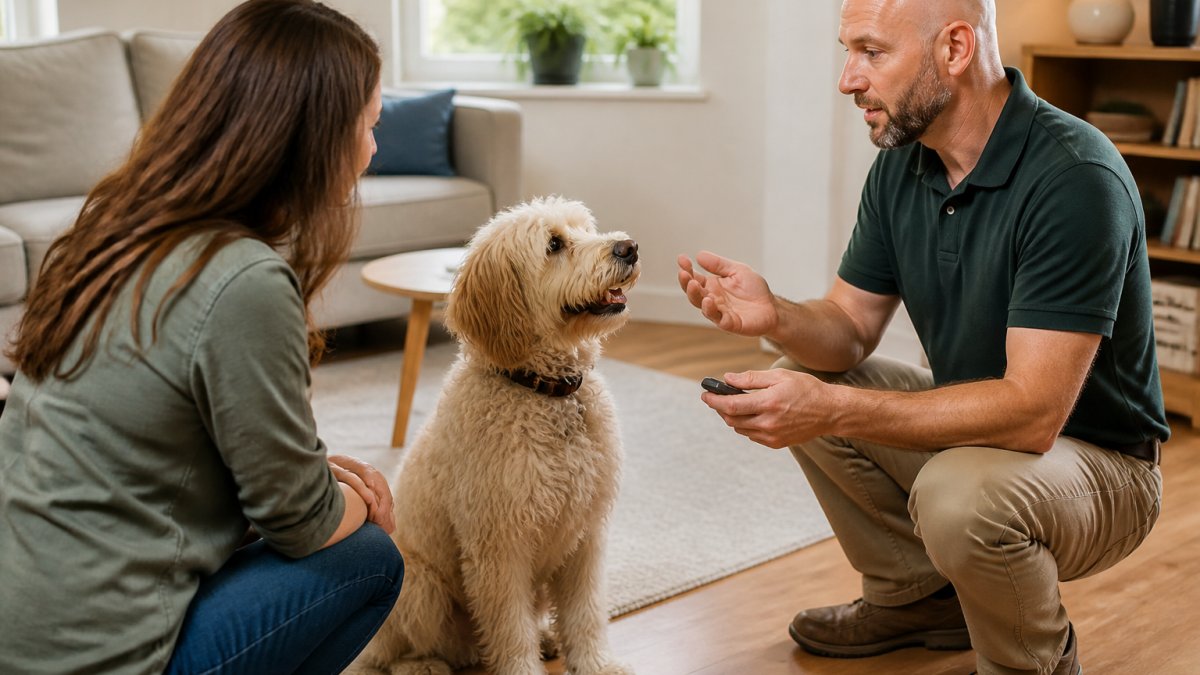
The first consultation sets the tone for the entire working relationship. Knowing what happens helps you prepare and judge whether this professional is right for your dog.
A thorough dog behavior consultation typically lasts 60 to 90 minutes.
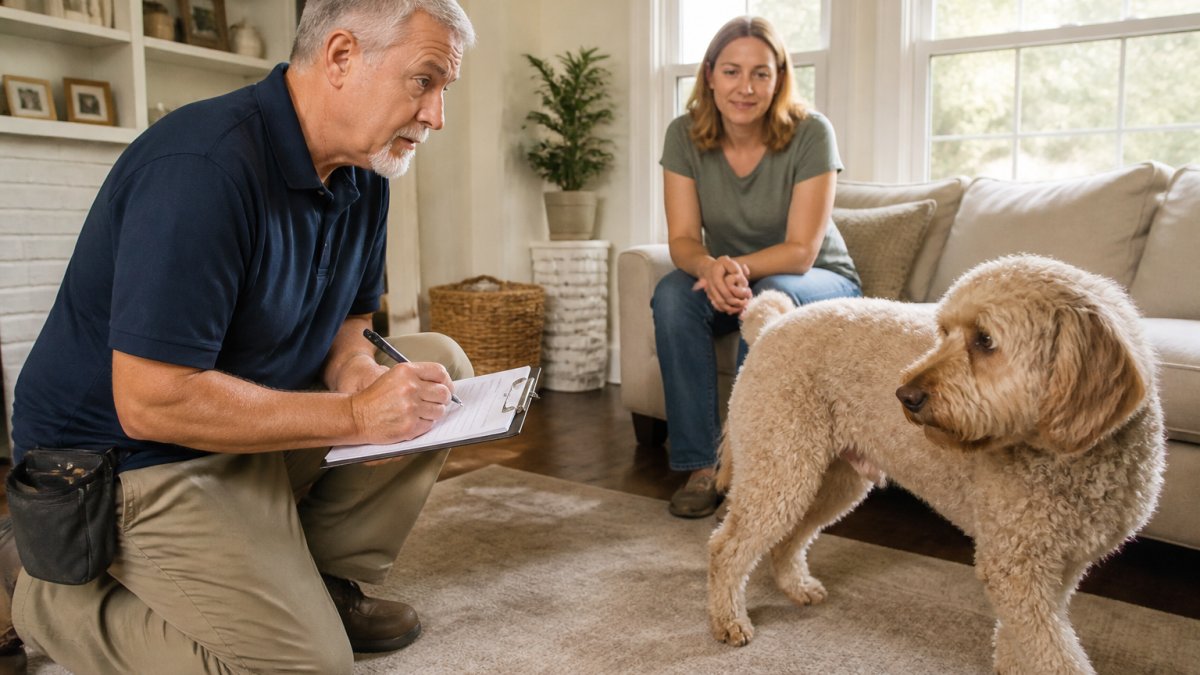
During the consultation, the behaviorist observes your dog in the environment where the problem occurs, a walk for leash reactivity, your home for household anxiety. This direct observation reveals patterns descriptions alone cannot capture.
A quality behaviorist asks about your dog's body language, not just the behavior, whether the dog is fearful, frustrated, overstimulated, or reinforced by the behavior. This distinction changes the entire intervention strategy.
Expect the behaviorist to explain their assessment and recommendations clearly: what they observed, what's driving the behavior, the recommended approach, why it suits your dog, and what realistic outcomes look like.
Ask questions during the consultation. A professional dog behaviorist welcomes them to ensure you understand the plan. If they rush explanations or seem irritated by questions, that signals how they'll communicate throughout the program.
Red Flags: Methods and Professionals to Avoid
Not all professionals who call themselves trainers or behaviorists operate with your dog's welfare in mind. Some use outdated or harmful methods; recognizing red flags protects your dog from unnecessary stress or harm.
Avoid professionals who rely heavily on aversive methods, choke chains, shock collars, or punishment-based corrections. These suppress behavior temporarily but don't address underlying causes and often increase anxiety or aggression.
Be cautious of anyone who guarantees results. Behavior change is complex; a professional dog behaviorist can create conditions for change and guide the process but cannot guarantee outcomes. Guarantees suggest overconfidence or misunderstanding of behavioral science.
Red flags also include professionals who won't discuss their methods, refuse references, or seem uncomfortable answering questions about their approach. Transparency marks confidence and professionalism.
Avoid anyone who works only in a controlled setting and claims training translates automatically to real life. Real behavior change requires practice where the problem occurs.
Another red flag: professionals who blame the dog or owner. Owner behavior does influence dog behavior, but a professional dog behaviorist focuses on solutions, not fault-finding, working with you to understand dynamics and create change.
Finally, be wary of professionals with no credentials, references, or track record. Anyone can call themselves a trainer; certification, continuing education, and professional affiliations matter.
Evaluating Results and Measuring Progress
Progress isn't always obvious. Behavior change happens gradually, and knowing how to measure it keeps you engaged and shows whether the program is working.
A professional dog behaviorist should define specific, measurable goals at the start. Instead of "be better behaved," clear goals are "walk on a loose leash for 15 minutes without pulling" or "remain calm when other dogs appear within 20 feet."
Progress tracking might include frequency counts, intensity ratings, or duration measures. Some behaviorists use video to document changes over time, giving visual evidence of improvement.
Regular check-ins matter. Scheduled follow-ups let the behaviorist assess progress, adjust the plan, and celebrate wins, touchpoints that keep momentum and allow course correction.
Be realistic about timelines. Severe behavior problems don't resolve in two weeks; most meaningful change takes 4 to 12 weeks of consistent work, depending on severity and your dog's history. A professional dog behaviorist gives honest timelines, not rushed promises.
Also expect plateaus. Progress isn't linear. Your dog might improve steadily for weeks, then seem to stall. This is normal. A skilled behaviorist helps you push through plateaus rather than abandoning the process.
Track your own observations too. Notes on when the behavior occurs, what triggered it, and how your dog responded are valuable data for your behaviorist and reveal patterns you might otherwise miss.
Making Your Final Decision
After asking questions, evaluating credentials, and assessing communication style, you're ready to decide. This decision shapes your dog's future, so take it seriously.
Compare your top candidates: who demonstrated the deepest understanding of your dog's specific problem, whose approach aligned best with your values around humane training, and who made you most confident in their expertise?
Consider logistics too: in-home, facility, or remote? Does the schedule fit your life, and what time commitment does the program require? Realistic logistics matter because consistency is essential for behavior change.
Trust your instincts. You want someone knowledgeable, transparent, and genuinely invested in your dog's success. If something feels off, keep looking.
When ready to move forward, get everything in writing: program structure, fees, timeline, what's included, and the cancellation policy if you need to pause or adjust.
Finally, commit fully. Behavior change requires consistency from you: implement recommended handling techniques, management strategies, and environmental changes. A professional dog behaviorist can guide the process, but your follow-through determines the outcome.
We've seen dogs transform when owners and professionals work together with clear goals and consistent effort. The hopeless-seeming dog becomes manageable, the fearful rescue gains confidence, the aggressive dog learns new responses. This transformation requires the right professional and your commitment.
Behavior problems in dogs don't resolve without intervention. Our team, led by an AKC-approved evaluator with over 25 years of experience, works with you to achieve measurable progress and lasting change. BOOK A FREE EVALUATION to discuss your dog's specific needs and learn how we can help.
Frequently Asked Questions
How do I know if my dog needs a trainer or a behaviorist?
A dog trainer focuses on teaching commands and obedience through positive reinforcement and structured lessons. A dog behaviorist addresses underlying emotional or psychological issues like aggression, fear, anxiety, and reactivity. If your dog struggles with behavior problems rooted in fear, past trauma, or emotional responses rather than simple obedience, a certified dog behaviorist is the right choice. Your veterinarian can help determine which professional your dog needs.
What qualifications should a professional dog behaviorist have?
Look for credentials from organizations like Animal Behavior College. A qualified behaviorist should have a clear understanding of canine genetics, temperament, and development. Ask about their education, mentorship history, and whether they stay current with science-based training methods. Avoid anyone who relies on outdated dominance theory or aversive techniques.
Is a dog behaviorist worth it?
Yes, when you have a dog with serious behavioral issues. Professional intervention resolves problems that owners cannot fix alone, prevents dangerous situations, and often costs less than the long-term consequences of untreated aggression, anxiety, or reactivity. A qualified behaviorist provides customized programs, owner coaching, and measurable progress tracking. For complex issues like fear recovery or multi-dog household conflicts, the investment pays dividends in safety, peace of mind, and a stronger relationship with your dog.
What should I expect during a dog behavior consultation?
The first consultation typically includes a detailed history of your dog's behavior, medical background, and lifestyle. The behaviorist will observe your dog's body language, responses to triggers, and interaction with you. They'll ask about specific incidents, when problems started, and what you've already tried. Expect a thorough assessment that may take 60-90 minutes. At the end, a qualified professional will outline a customized behavior modification plan, explain training methods, discuss your role as an owner, and provide realistic timelines and goals.