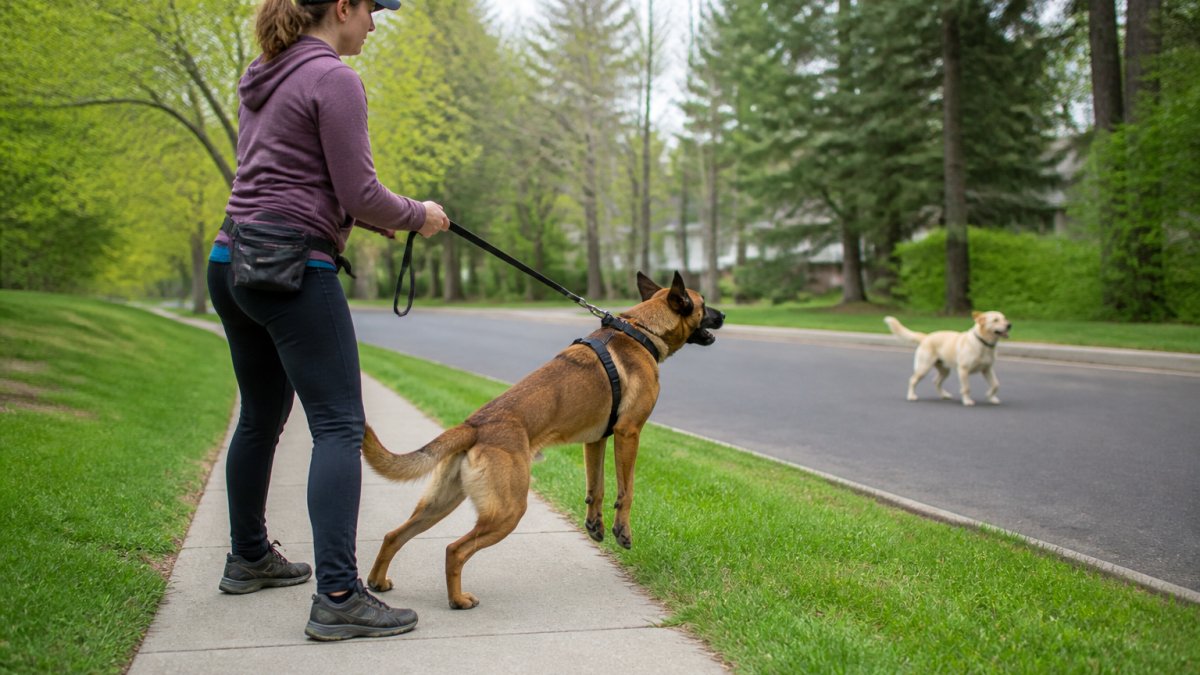
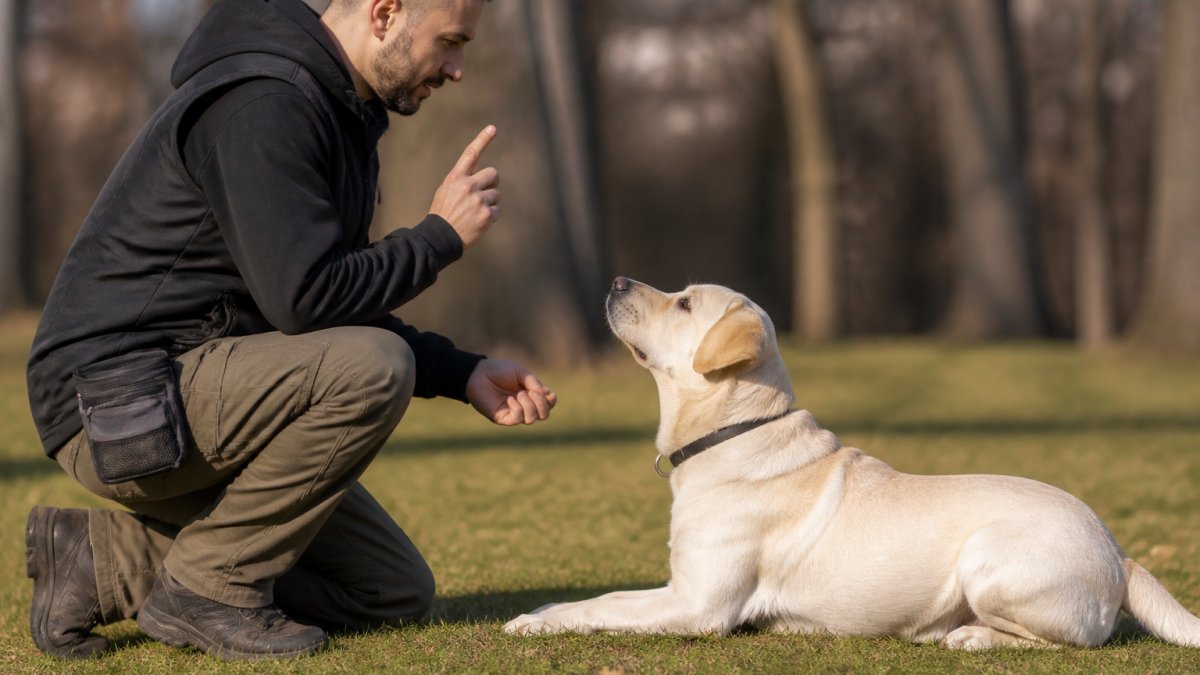
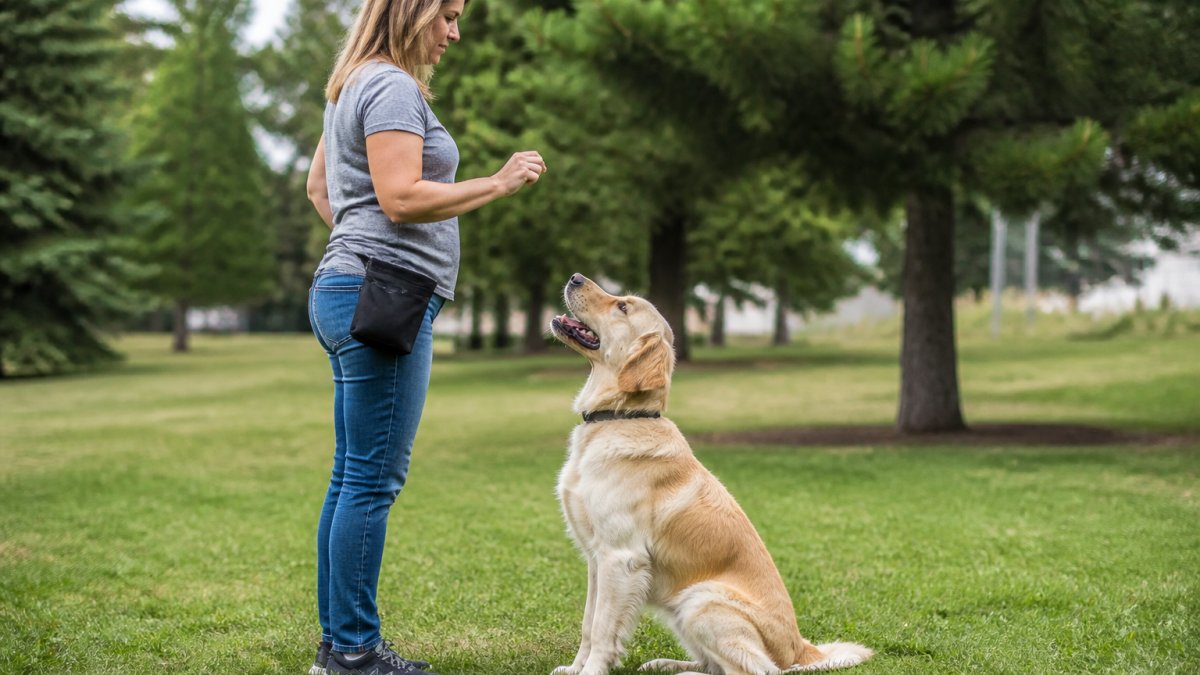
 comparison
Dog Obedience Training in Libertyville: Your Complete Guide
Table of Contents
- Understanding Dog Obedience Training and Your Options
- Professional Dog Obedience Training Cost and What to Expect
- Private Dog Training Lessons vs. Other Approaches
- Group Dog Obedience Classes: Structure, Benefits, and Fit
- How Long Does Dog Obedience Training Take?
- Training Methods, Credentials, and What Sets Trainers Apart
- Choosing the Right Training Path for Your Dog and Family
- Frequently Asked Questions
Last Updated: October 11, 2026
Understanding Dog Obedience Training and Your Options
Dog obedience training teaches your dog to respond reliably to commands and behave appropriately in different environments, transforming your relationship with your pet and creating a safer, more harmonious home.
The right dog obedience training approach depends entirely on your dog's age, temperament, and specific needs. Some dogs thrive in structured group settings, others need private lessons, and many benefit from a combination of both.
Foundational skills like sit, stay, come, and loose-leash walking form the basis of everyday obedience. But dog obedience training goes deeper than commands, it builds communication, trust, and confidence between you and your dog, creating a safer, happier pet that can participate fully in your family's life.
Professional Dog Obedience Training Cost and What to Expect
The investment in professional dog obedience training varies based on program type, duration, and trainer experience. Private lessons typically cost more per session than group classes, but they offer personalized attention. Board-and-train programs, where your dog stays with a trainer for intensive work, represent a larger upfront cost but deliver accelerated results.
You're not just paying for the trainer's time, you're paying for their experience, knowledge of canine behavior, and ability to adjust methods to your dog's temperament. A trainer with extensive experience handles complex behavioral issues differently than someone fresh out of certification.
Consider the long-term value: a dog that pulls on the leash for years costs stress and missed opportunities, while a dog that responds reliably to commands enjoys off-leash freedom safely. The investment often pays for itself in peace of mind and quality of life.
Private Dog Training Lessons vs. Other Approaches
Private dog training lessons offer one-on-one instruction tailored to your dog's specific needs and your family's goals. A trainer works directly with you and your dog, teaching you how to handle training between sessions. This approach works exceptionally well for dogs with aggression issues, severe anxiety, or dogs whose owners need hands-on coaching.
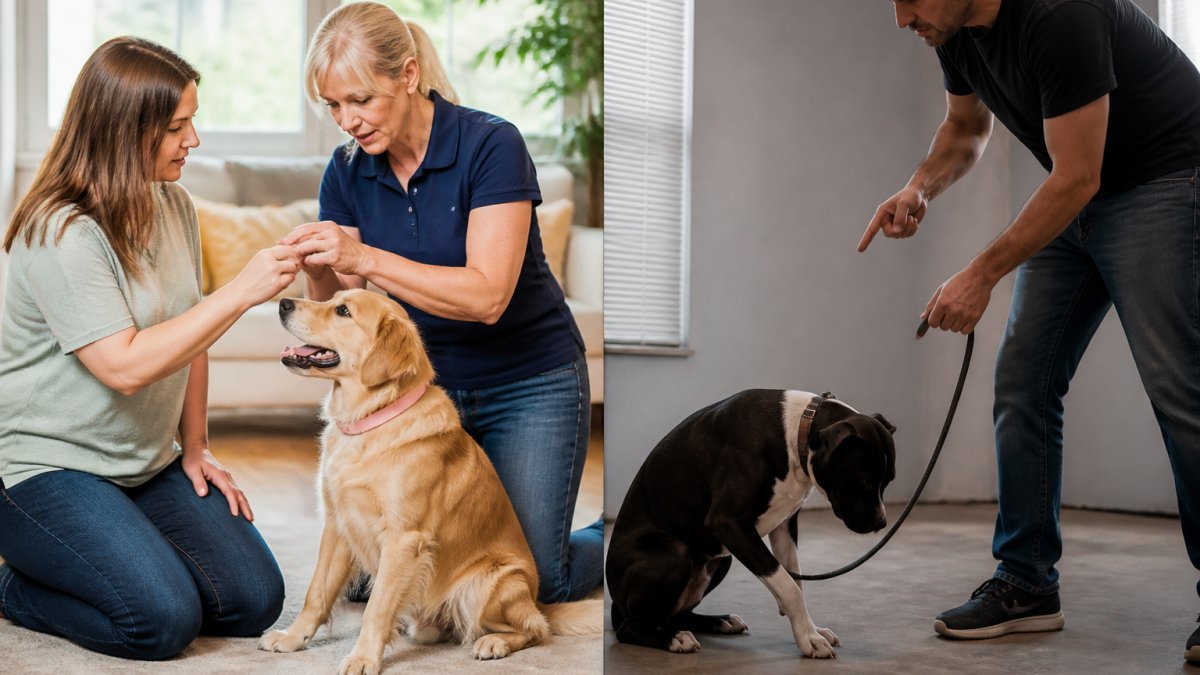
Private lessons offer customization: your trainer watches your dog's body language and your handling technique, adjusting the plan in real time. If your dog is fearful, they slow the pace; if progressing quickly, they increase difficulty.
The trade-off is cost and time commitment. Private lessons require consistent scheduling and owner participation, you're learning alongside your trainer. A dog trained by a professional but handled inconsistently by an owner will regress; one trained and coached to help the owner maintain skills will hold them for life.
Group Dog Obedience Classes: Structure, Benefits, and Fit
Group dog obedience classes meet weekly for 6-8 weeks and cover foundational skills like sit, down, stay, and loose-leash walking. The group environment exposes your dog to distractions, other dogs, and new environments, building real-world obedience.
Group classes work best for puppies and adult dogs without serious behavioral issues. Puppies learn to focus on you around other dogs; adult dogs gain confidence through socialization and learn obedience works in different contexts.
Benefits include cost-effective instruction, built-in socialization, and connection with other dog owners. The drawback is that instructors can't give individualized attention, so group classes won't address specific fears or aggression issues effectively.
| Training Approach | Best For | Time Commitment | Customization |
|---|---|---|---|
| Private lessons | Behavioral issues, fear, aggression, owner coaching | Flexible scheduling | High, tailored to your dog |
| Group classes | Puppies, foundational skills, socialization | Weekly for 6-8 weeks | Low, standardized curriculum |
| Board-and-train | Intensive behavior modification, accelerated progress | 2-4 weeks residential | High, daily training focus |
| Owner coaching only | Dogs already responding to basics, owner skill-building | Varies | Depends on owner effort |
How Long Does Dog Obedience Training Take?
Timeline depends on your dog's age, prior experience, and goals. Puppies learn foundational commands in 6-8 weeks; adult dogs without prior training need 8-12 weeks; dogs with behavioral issues may require 3-6 months or longer.
A common mistake is expecting permanent results from temporary effort. A six-week class teaches basics, but skills need ongoing reinforcement and practice, especially in new environments.
The real timeline is "how long until I understand how to maintain my dog's training." Once you grasp how your dog learns and how to communicate clearly, training becomes part of daily life, not a separate project.
Training Methods, Credentials, and What Sets Trainers Apart
The approach your trainer uses directly affects how your dog learns, how quickly skills develop, and how your dog feels about training. Understanding main training philosophies helps you evaluate which trainer is right.
Positive Reinforcement Training uses rewards, treats, toys, praise, to mark and reinforce desired behaviors. This method is supported by modern canine learning science and builds confidence and enthusiasm. Dogs can show faster learning curves and fewer behavioral side effects, though it requires patience and consistency.
Balanced Training combines positive reinforcement with mild corrections, leash corrections, verbal "no," or reward removal. It can work well for strong-willed dogs or ingrained behavioral problems, but requires excellent trainer timing and dog-reading skills. Poorly executed corrections can increase anxiety or aggression.
Aversive or Correction-Based Training uses punishment or discomfort, shock collars, prong collars, harsh corrections. It can produce fast short-term results but research shows it often increases stress, fear, and aggression (pubmed.ncbi.nlm.nih.gov). The American Veterinary Society of Animal Behavior advises against aversive methods as a first choice.
Ask trainers directly: "What methods do you use?" and "Why?" A trainer who articulates their philosophy and references canine learning theory is thinking critically. One who says "I use whatever works" or dismisses other methods without explanation may lack a principled approach.
Verifying Credentials matters because dog training is largely unregulated. Look for:
- AKC Approved Evaluator or Instructor: Meets specific standards in canine behavior and training methodology.
- Certification from Accredited Programs: IACP, CCPDT, or Animal Behavior Institute require coursework, hands-on hours, and exams.
- Continuing Education: Ask how many hours annually.
- Veterinarian References: Vet recommendations signal dog welfare prioritization.
- 10+ Years Hands-On Experience: Indicates exposure to real-world complexity with different temperaments and ages.
Ask trainers these questions:
- "How do you assess a dog's temperament and learning style?" (Good answer: observation, testing, and history discussion.)
- "What if a dog isn't progressing?" (Good answer: adjust method, not blame dog or owner.)
- "How do you involve the owner?" (Good answer: emphasize owner education and long-term maintenance.)
- "Example of a similar problem you handled?" (Specific examples reveal depth; vague answers suggest limited experience.)
Choose a trainer who explains methods clearly, justifies them with canine behavior knowledge, and adapts if your dog isn't responding. One who listens and customizes a plan prioritizes your dog's individual needs.
Choosing the Right Training Path for Your Dog and Family
Choosing the right training path requires you to align three factors: your dog's needs, your family's constraints, and the trainer's actual service model and availability in your area.
Step 1: Define Your Primary Goal
Identify what training should accomplish: foundational manners for a puppy, a specific behavioral problem like leash pulling, or preparation for AKC Canine Good Citizen certification.
Step 2: Assess Your Dog's Temperament and History
A confident puppy can thrive in group classes; a rescue with unknown background and anxiety needs private assessment first; a dog with aggression needs one-on-one evaluation before group settings.
Step 3: Evaluate Your Availability and Commitment
Private lessons require weekly scheduling and 15-20 minutes daily homework. Group classes require weekly attendance for 6-8 weeks. Board-and-train requires 2-4 weeks away from home but minimal time from you. Be honest about what you can sustain.
Step 4: Consider Local Logistics and Service Availability
Training logistics matter more than many owners realize. Ask these practical questions:
- Service Area and Travel Distance: Does the trainer offer in-home training, or do you need to travel to their facility? If you need to travel, how far is it from your home or workplace? A trainer 20 minutes away is more sustainable than one 45 minutes away if you're attending weekly classes for 8 weeks.
- Class Schedule and Frequency: Do group classes meet at times that fit your schedule? Early morning, evening, or weekend options? How many weeks does the program run, and can you commit to consecutive weeks without missing sessions?
- In-Home Availability: If you prefer in-home training, does the trainer service your area? Some trainers limit their service radius to maintain manageable travel time. Confirm they actually service your location before scheduling.
- Flexibility and Make-Up Options: If you miss a session due to illness or emergency, can you make it up? Do they offer virtual follow-ups or phone coaching if you can't attend in person?
- Accessibility: If you have mobility limitations, does the trainer's facility accommodate wheelchairs or other accessibility needs? If you're training at home, can the trainer navigate stairs or work in your space?
Step 5: Interview Trainers and Ask for Local References
Before committing, speak with at least two trainers. Ask for references from people with dogs similar to yours, similar age, temperament, or behavioral issues.
When you call references, ask specific questions: Did your dog make the progress you expected? Did the trainer explain things clearly? Did you feel your dog was handled safely? Would you recommend this trainer to a friend?
Step 6: Evaluate the Trainer's Communication and Customization
A trainer who immediately prescribes a program without evaluating your dog first is guessing, not customizing. A good trainer will:
- Ask detailed questions about your dog's history, temperament, and specific challenges
- Observe your dog's behavior and body language
- Explain why they're recommending a particular approach
- Discuss realistic timelines and what success looks like for your dog
- Explain how they'll involve you in the training process
- Provide a written plan or agreement outlining what's included, costs, and expectations
If a trainer is defensive, dismissive of your concerns, or unwilling to explain their methods, that's a red flag. Training is a partnership between you, your dog, and the trainer.
Making Your Decision
The right training path is the one that matches your dog's needs, fits your family's schedule and budget, and is delivered by a trainer you trust.
Frequently Asked Questions
How much does professional dog obedience training cost?
Professional dog obedience training costs vary based on the program type, duration, trainer experience, and whether training happens in your home or in group settings. Private lessons typically cost more than group classes, and board-and-train programs are more expensive than owner-coached options. Lake County Dogs offers customized programs; visit their pricing page or book a free evaluation to get a specific quote for your dog's needs.
How long does dog obedience training take to show results?
Basic obedience skills often show visible progress within 2-4 weeks of consistent training. A full foundation program typically runs 6-8 weeks, though the timeline depends on your dog's age, prior experience, and the specific behaviors being addressed. Behavioral issues like aggression or anxiety may require longer specialized programs. Your trainer will set realistic expectations during your initial consultation.
Can older dogs learn obedience commands, or is training only for puppies?
Dogs of any age can learn obedience commands and new behaviors. Older dogs often learn just as quickly as puppies and may have better focus and impulse control. Rescue dogs and dogs with prior behavioral challenges can benefit significantly from professional training. Lake County Dogs works with dogs of all ages and specializes in helping adult and senior dogs build confidence and foundational skills.
Are private dog training lessons better than group obedience classes?
Private lessons and group classes serve different purposes. Private training offers personalized attention, customized programs for specific behavioral issues, and one-on-one guidance for owners. Group classes provide socialization, exposure to distractions, and peer learning at a lower cost. The best choice depends on your dog's temperament, your training goals, and your budget. Many owners benefit from combining both approaches.
What should I look for when choosing a dog trainer?
Look for trainers with documented experience, professional credentials (such as AKC approval or Animal Behavior College certification), a clear training philosophy, and willingness to explain their methods. Ask about their approach to handling behavioral issues, their success rate with dogs similar to yours, and whether they offer follow-up support. Request references and read reviews from local clients to verify their track record.