 blog
Is Professional Dog Training Worth It for Older Dogs?
Table of Contents
- Why Senior Dogs Can Still Learn New Behaviors
- Benefits of Training Older Dogs: Confidence, Bonding, and Safety
- Common Behavioral Issues in Older Dogs That Training Can Address
- Professional Dog Obedience Training Cost: What You're Actually Paying For
- Joint-Friendly Training Modifications for Dogs With Arthritis
- How to Tell If Professional Training Is Worth It for Your Older Dog
- Frequently Asked Questions
Last Updated: September 27, 2026
Why Senior Dogs Can Still Learn New Behaviors
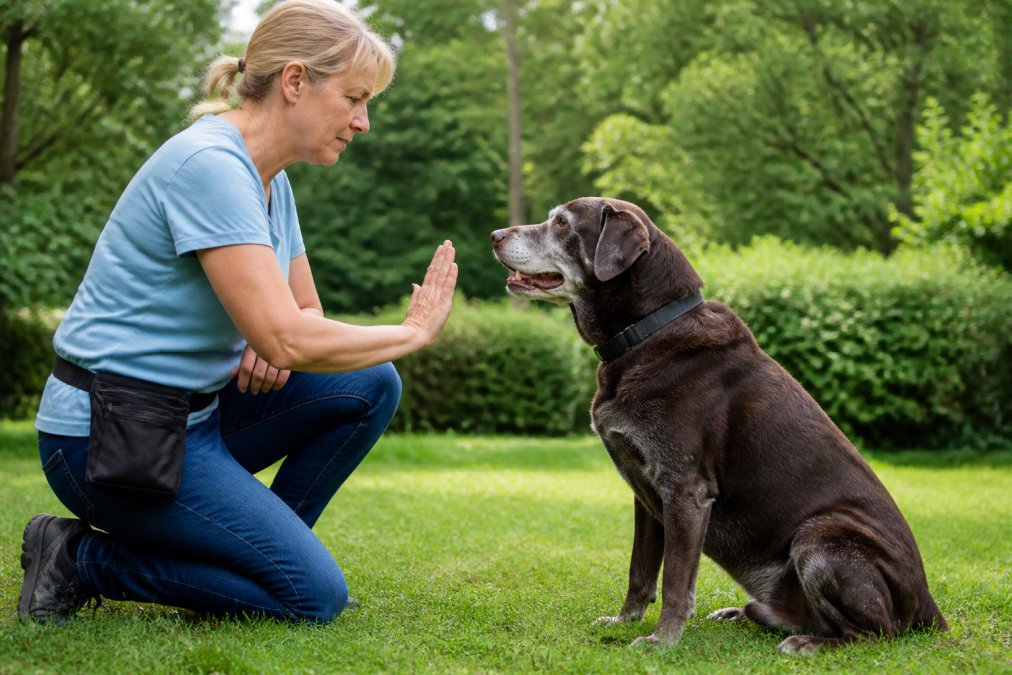
Yes, older dogs can learn new behaviors. Age slows a dog down but does not close the door on learning; the old-dog-new-tricks myth costs senior dogs better lives.
At Lake County Dogs, we have worked with dogs of every age for more than 25 years. The brain stays flexible well into a dog's senior years. What changes is how you teach, not whether the dog can learn.
Senior dogs often pick up new behaviors faster than puppies.
Benefits of Training Older Dogs: Confidence, Bonding, and Safety
The benefits of training older dogs reach far past obedience. Training gives a senior dog purpose, keeps the mind sharp, and rebuilds confidence that may have faded with age or routine changes.
Here is what owners notice most:
- A calmer dog at home and in public
- Stronger trust between dog and owner
- Fewer accidents, barking fits, and anxious moments
- Better impulse control around food, guests, and other dogs
- More mental stimulation, which supports cognitive health
Common Behavioral Issues in Older Dogs That Training Can Address
Common behavioral issues in older dogs often look like stubbornness but usually trace back to pain, anxiety, or confusion. Training that ignores the cause will not fix the behavior.
The issues we see most:
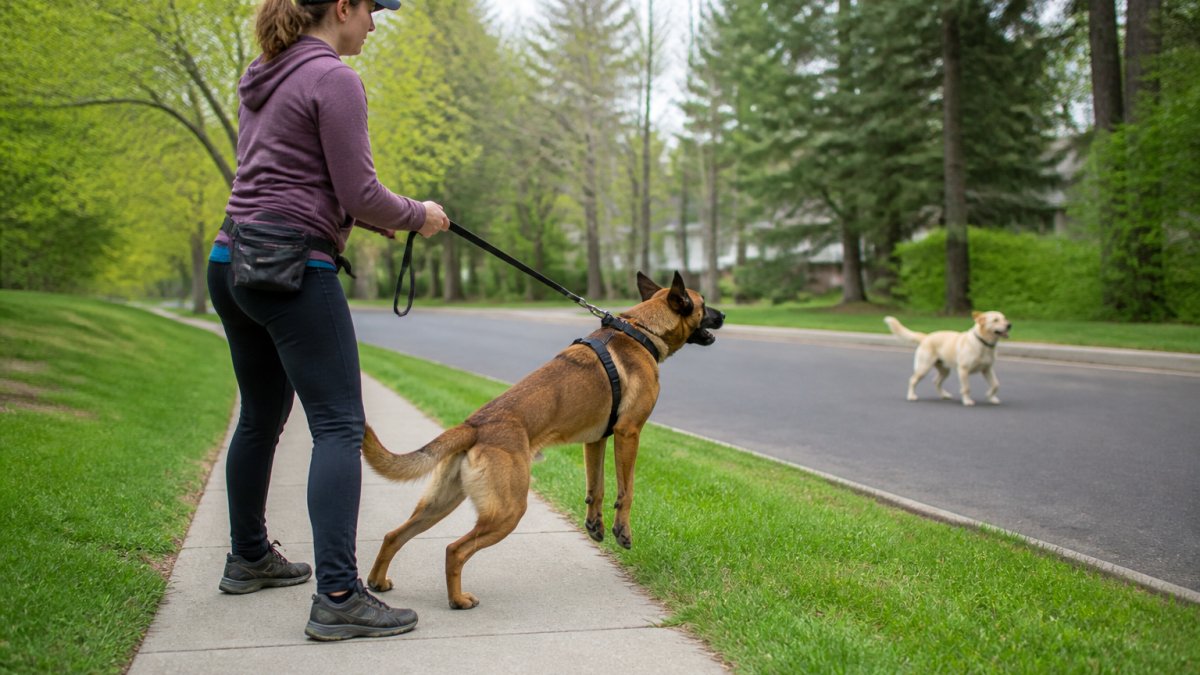
- Reactivity toward other dogs or strangers on walks
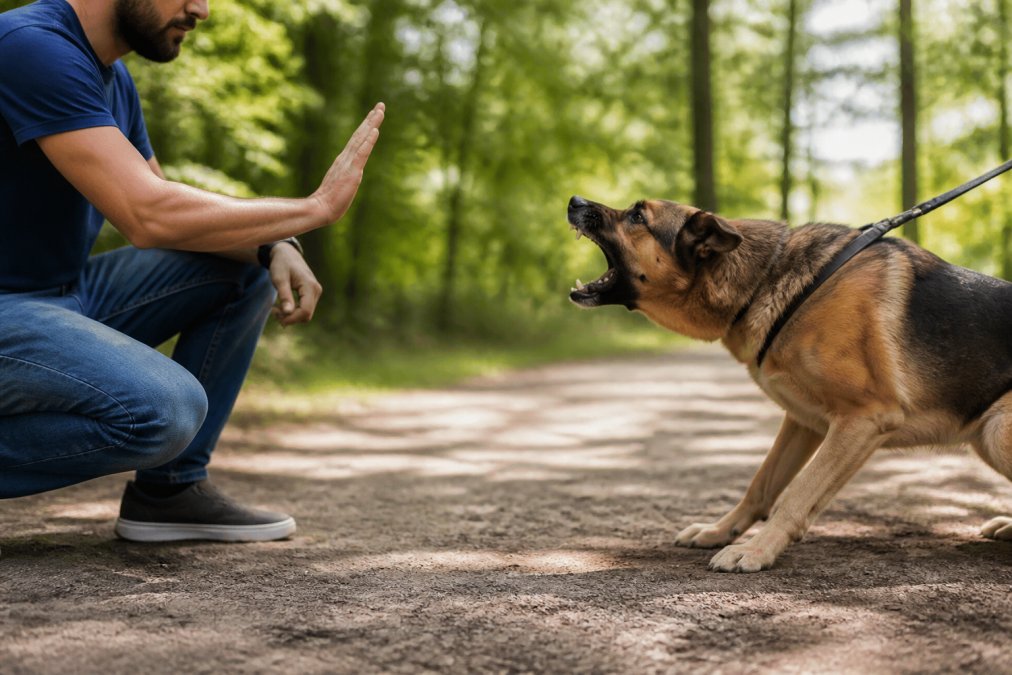
- Aggression when touched near a sore hip or when food is involved
- House soiling after years of clean habits
- Night waking and pacing
- Separation anxiety when left alone
- Noise fears that appear for the first time in old age
When Behavior Changes Signal a Health Problem
Sudden behavior changes in a senior dog are a medical question before a training question. Get a veterinary consultation first: pain, thyroid issues, dental disease, and cognitive decline can all look like disobedience.
Watch for these red flags:
- A house-trained dog that starts soiling indoors
- Confusion in familiar places
- Staring at walls or getting stuck in corners
- Pacing at night or reversed sleep patterns
- Snapping when touched in a spot that never bothered the dog before
Stubbornness vs. Cognitive Dysfunction Syndrome: How to Tell the Difference
When a senior dog stops responding to a cue it has known for years, is that stubbornness, hearing loss, pain, or something in the brain? The answer changes what you do next.
- Normal aging looks like a dog that moves slower, sleeps more, and takes a beat longer to respond. The dog still recognizes you, still knows the routine, and still orients to familiar cues.
- Pain or sensory loss looks like a dog that stops responding to a cue it cannot hear, or refuses a position that hurts. The dog's mind is fine; the body or the senses are the problem.
- Cognitive dysfunction looks like a dog that seems confused in a place it knows, gets stuck facing a wall, paces at night for no reason, or greets you like a stranger. The behavior is not defiance. It is disorientation.
What Training Can Still Do When CDS Is in the Picture
A CDS diagnosis is not the end of training; it changes the goals. Instead of new complex behaviors, the focus shifts to:
- Maintaining the cues the dog already knows, practiced in short, low-pressure sessions
- Keeping a predictable daily routine, which reduces confusion
- Using scent work and simple nose games to engage the brain without demanding physical effort
- Reducing household chaos that makes disorientation worse
- Working with your veterinarian on any medical management they recommend
Professional Dog Obedience Training Cost: What You're Actually Paying For
Professional dog obedience training cost varies widely by format, session count, and the trainer's credentials, so check with each provider for a current quote. What follows is the structure behind those quotes, so you can compare apples to apples.
How training is priced
- Group classes are the lowest entry point, usually sold as a multi-week package. They are the least customized and the least useful for a senior dog with pain or anxiety.
- Private in-home sessions are priced per session or in bundles. You pay for the trainer's time, travel, and the fact that the plan is built around one dog.
- Board-and-train is the most expensive format because you pay for boarding plus training hours. It is also the riskiest for a senior dog, for reasons covered below.
- Behavior consultations for aggression, severe anxiety, or suspected cognitive decline sit at the top of the range because they involve assessment, a written plan, and follow-up.
What you are actually paying for
- An assessment of the dog's health, temperament, and history
- A plan built around the dog's specific issues
- Hands-on coaching for the owner, not just the dog
- Follow-up support when old habits creep back
- Experience reading canine behavior that most owners miss
The cost-benefit math most articles skip
- Repeated veterinary visits to rule out medical causes of a behavior that turns out to be training-related
- Replacing damaged furniture, carpet, or door frames from anxiety chewing or scratching
- Boarding or daycare that refuses a dog with unmanaged reactivity
- The cost of a surrendered dog, which is the most expensive outcome of all
- Your own time, which has a value even when it does not show up on a receipt
Home Sessions vs. Board-and-Train for Senior Dogs
Home sessions and board-and-train serve different dogs. For most senior dogs, in-home training wins because the dog learns where the problems happen.
| Format | Best For | Watch Out For |
|---|---|---|
| In-home sessions | Anxious dogs, seniors with health issues | Requires owner time each week |
| Group classes | Social dogs with mild manners issues | Hard on reactive or painful dogs |
| Board-and-train | Busy owners, severe cases | Stress of leaving home; owner still needs coaching |
The stress factor nobody prices in
Joint-Friendly Training Modifications for Dogs With Arthritis
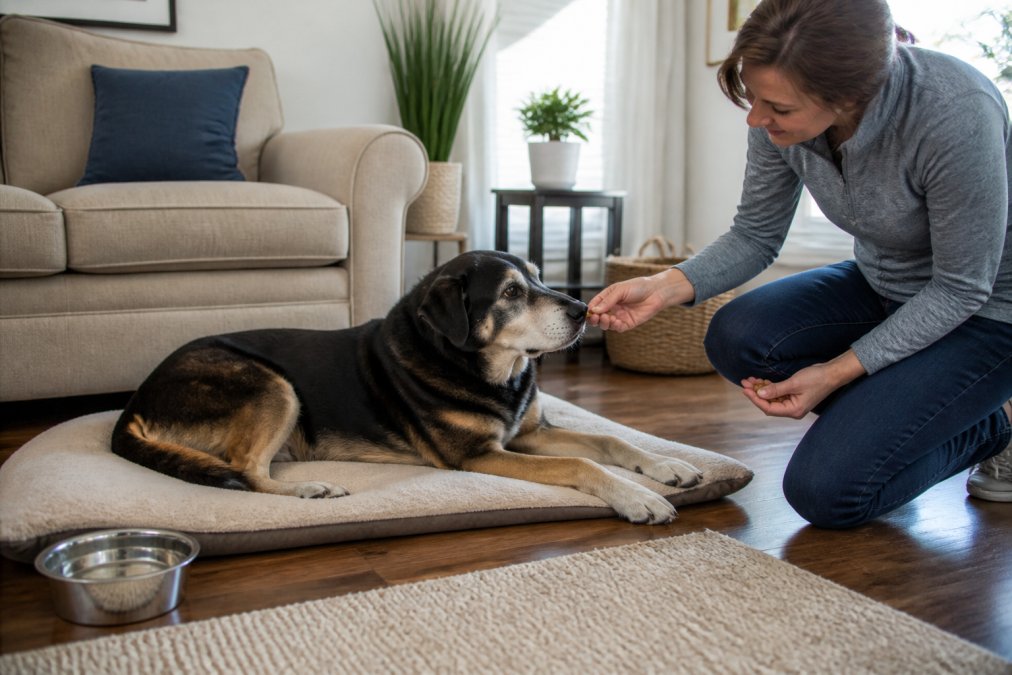
Try these low-impact modifications:
- Train on carpet or non-slip mats, never slick floors
- Keep sessions short, 5 minutes or less
- Use food lures at nose level so the dog does not jump or twist
- Swap high-impact cues like "jump" for "touch" or "settle"
- Add scent work, which exercises the mind while the body rests
- Use a raised bowl or platform to reduce bending
How to Tell If Professional Training Is Worth It for Your Older Dog
Deciding is professional dog training worth it for older dogs comes down to three things: the dog's health, the owner's consistency, and the size of the problem. When all three line up, training pays for itself in a calmer home.
Ask yourself:
- Has the behavior gotten worse despite your best efforts?
- Is the dog's quality of life suffering?
- Are you dealing with aggression, anxiety, or reactivity you cannot safely manage?
- Do you have the time to practice between sessions?
Look for a trainer who:
- Uses positive reinforcement and avoids force
- Asks about your dog's health history
- Builds a plan around your dog's life stage
- Coaches you, not just the dog
- Offers a free evaluation before you commit
Frequently Asked Questions
Is it ever too late to train an older dog?
No, it is never too late. Older dogs can learn new behaviors because their brains remain capable of forming new associations through positive reinforcement. Training an older dog may take more patience and shorter sessions than training a puppy, but progress is achievable. A veterinarian should first rule out pain or illness that could affect learning, then a professional trainer can build a plan around your dog's physical limits and daily routine.
How does training an older dog differ from training a puppy?
Puppies absorb new commands quickly but have short attention spans. Older dogs already know routines and household rules, so they often pick up new behaviors faster once they understand what you want. The main differences are physical: senior dogs may have arthritis, reduced hearing or vision, and lower stamina. Sessions should be shorter, rewards should be higher value, and exercises should avoid jumping, sharp turns, or long periods of standing.
How much does professional dog obedience training cost?
Professional dog obedience training cost depends on the format, the number of sessions, and the complexity of the behavior issues involved. Group classes usually cost less than private in-home sessions, and board-and-train programs cost more because they include daily care. Lake County Dogs publishes its pricing on its website and offers a free evaluation, so you can get an exact quote for your dog before committing.
What behavioral issues can professional training solve in older dogs?
Professional trainers address house soiling, nighttime restlessness, barking, reactivity, aggression, separation anxiety, and loss of basic obedience. Some of these behaviors stem from cognitive decline or pain, so a trainer should work alongside your veterinarian. For senior dogs, training plans often combine behavior modification with mental stimulation like scent work, which gives the dog a job without stressing aging joints.